
Strategic Health Communication for Addiction Prevention
The Agency for the Prevention of Drug Abuse is an autonomous public institution within the Government of Río Negro, responsible for prevention, education, training, and the dissemination of information related to substance use and addiction.
Over four years in the department, I contributed as a graphic designer, communications coordinator, and content writer, supporting multichannel awareness initiatives across digital platforms and in-person interventions in schools, hospitals, and government offices. I collaborated with external agencies and multidisciplinary teams on projects addressing complex public health challenges.
All initiatives were developed within governmental brand guidelines, ensuring consistency, accessibility, and alignment with institutional communication standards.


Development of Brochures on Problematic Drug Use and Prevention
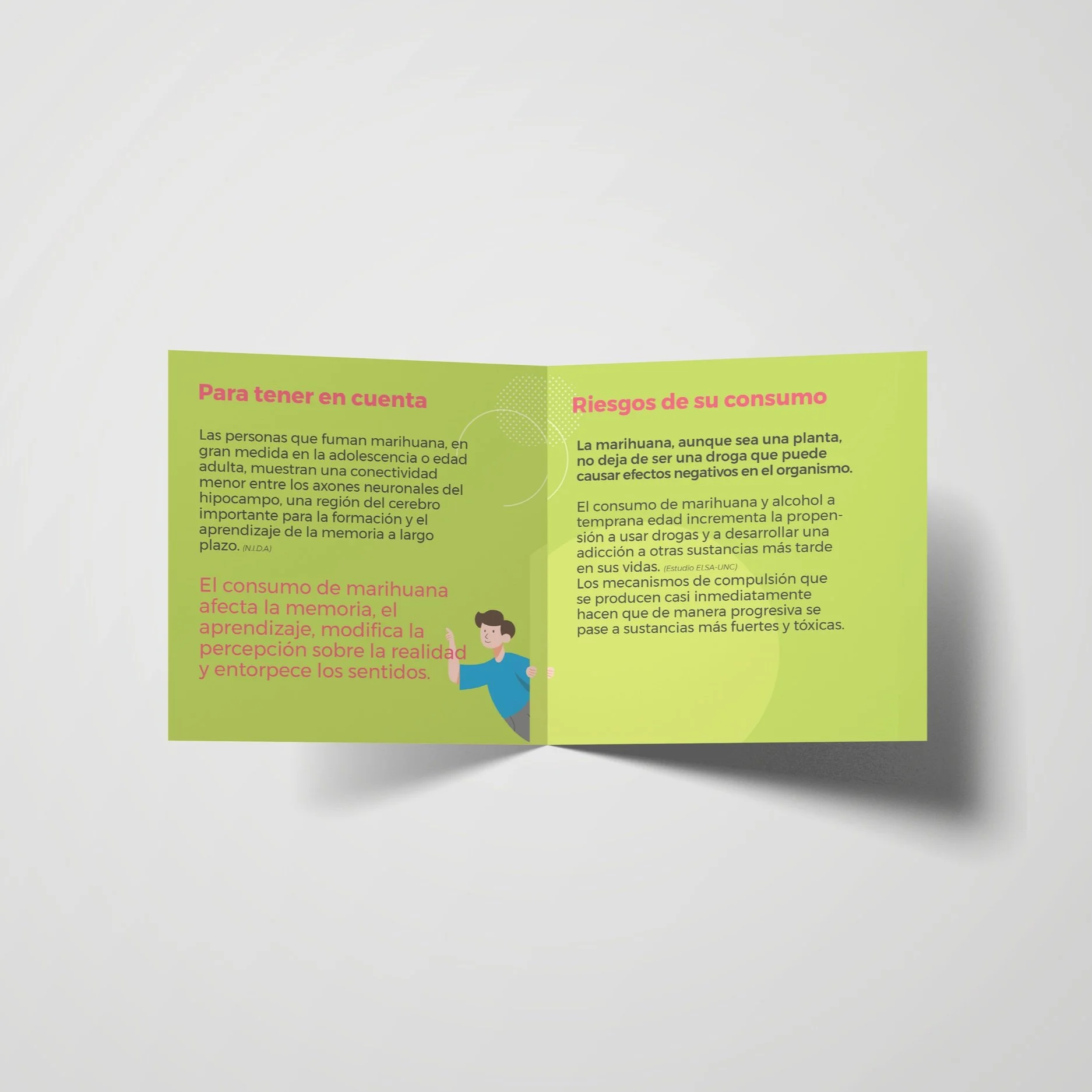
These informational materials were developed in response to emerging challenges identified through fieldwork, adapting content to specific events, seasonal contexts, and audience needs. Each edition was designed to address relevant topics with clear, accessible language tailored to adolescents and community groups.
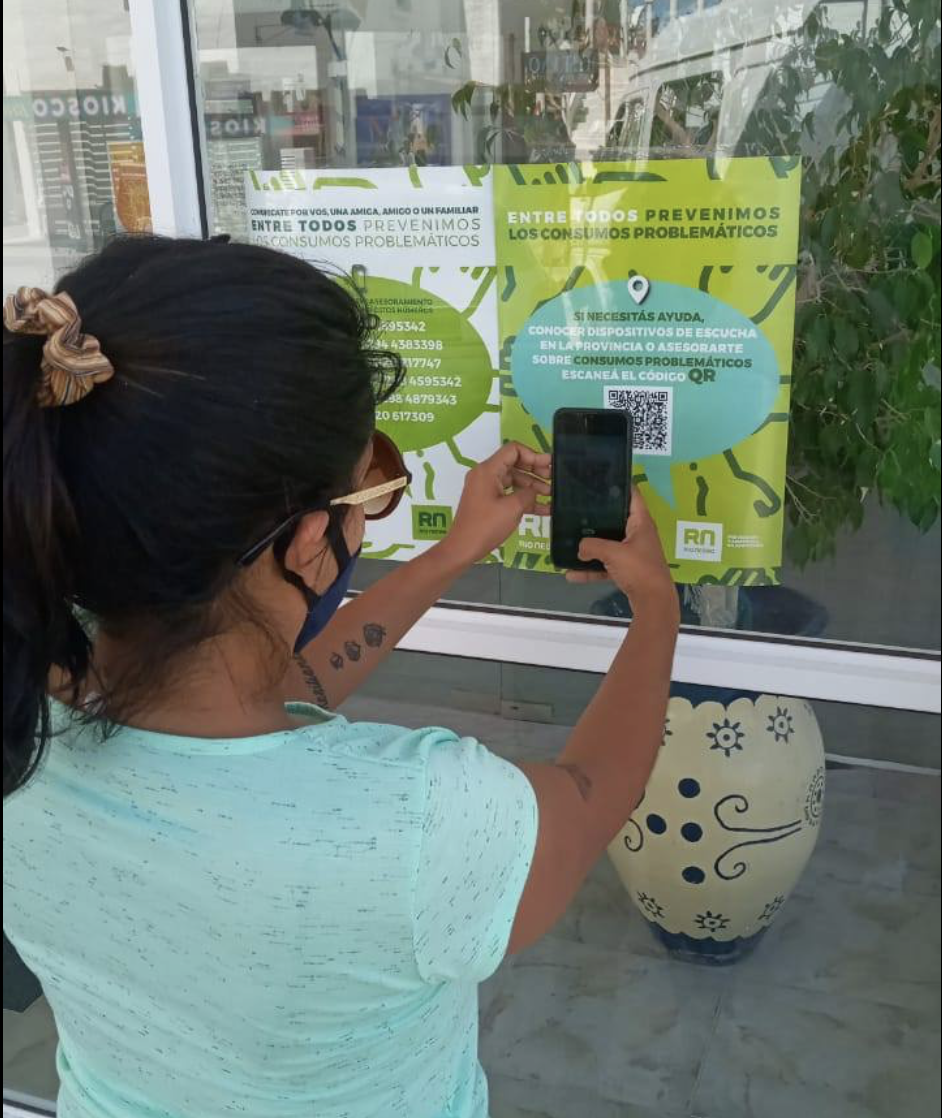
Distributed across schools, hospitals, community health centres, and youth support spaces, the brochures provided practical guidance on responding to substance use situations and supporting peers. Each publication included a QR code linking to provincial support centres, connecting printed communication with a broader assistance network.
During the summer of 2019/20, a targeted awareness campaign was implemented across tourist centres in the province to prevent substance use and provide accessible information about different substances.
The intervention combined on-site educational activities led by agency staff with the distribution of posters and brochures in local businesses. Merchants were trained to act as safe contact points, offering assistance and guidance in situations of substance consumption.
The campaign fostered strong engagement, particularly among adolescents, and strengthened community-based prevention efforts through coordinated public interaction.
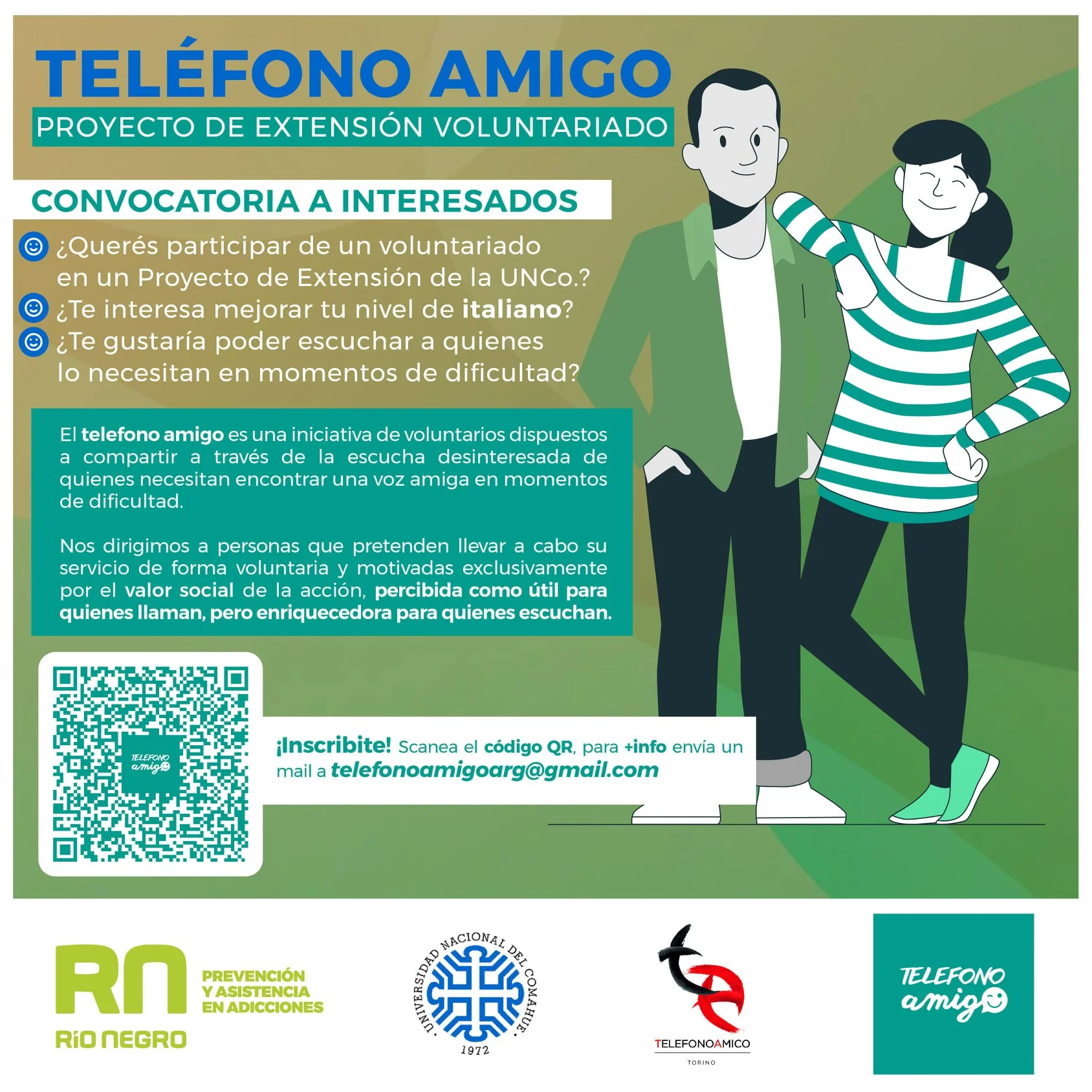
System Overview
As part of the Agency’s regional prevention strategy, I contributed to the development of “Teléfono Amigo,” structured as a multi-layered support and referral system designed to improve accessibility and coordinated assistance across the province.
Visual Communication System Implementation
First Communication Project: Substance Awareness Campaign
Upon joining the communication team, I was assigned the task of developing the agency’s first substance awareness campaign. This campaign was based on survey data collected across the province, targeting an age range of 18 to 56 years. The survey examined the impact of various substances, comparing legal and illegal drugs and their effects on the body. It also explored consumption behaviors and frequency.
The campaign was launched in public spaces and supported by an online presence across the agency’s social media channels, primarily Facebook and Instagram. This initial effort allowed us to gather valuable audience insights that the agency previously lacked, including demographic data such as age and gender distribution of followers on social media.
Through targeted paid advertising, the campaign reached a significant portion of the population. While the topic was sensitive and relatively new for the region, the campaign served as an important first step in establishing the agency’s presence and communication strategy within the community.


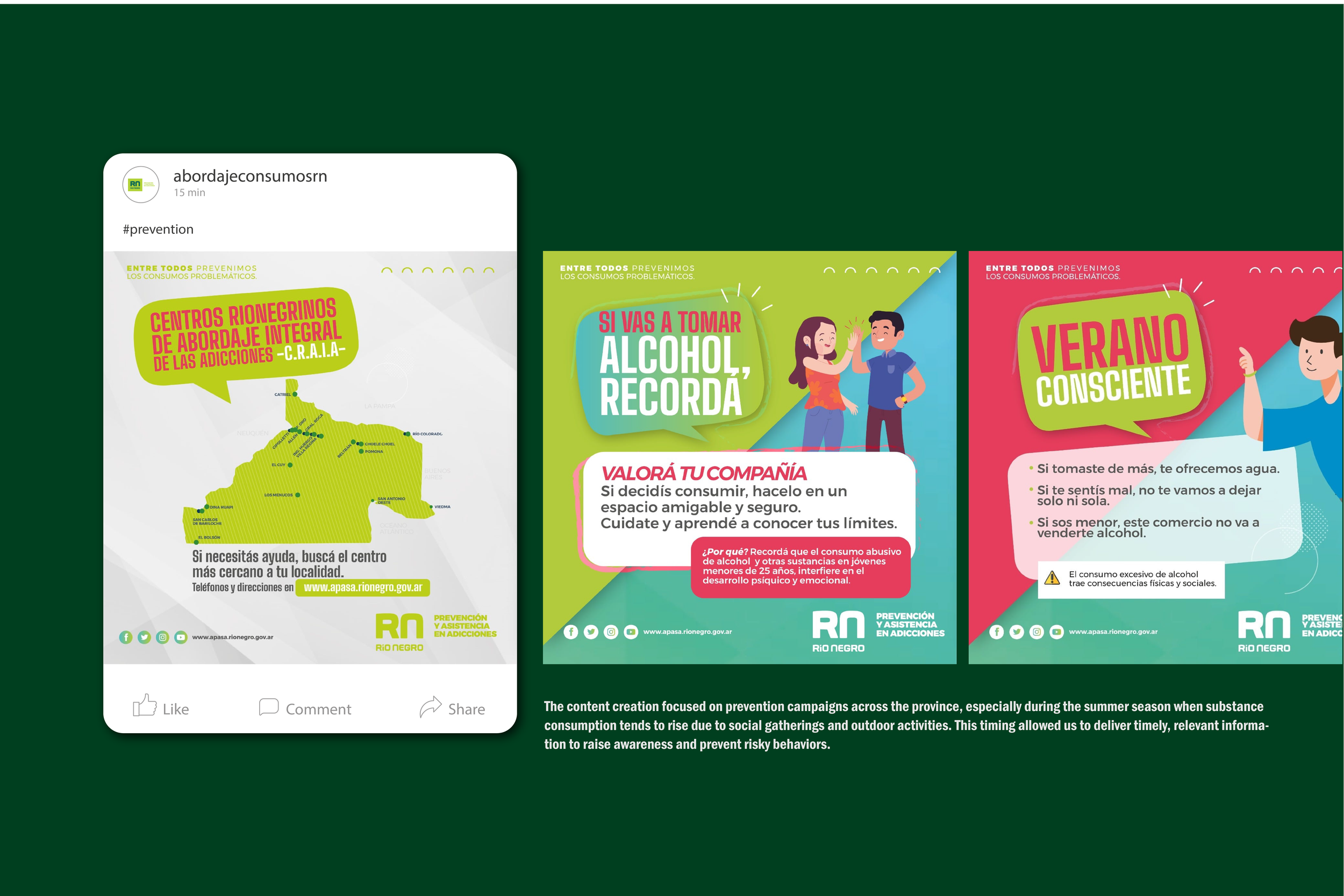
Summer Awareness Campaign on Substance Use (2019/2020)



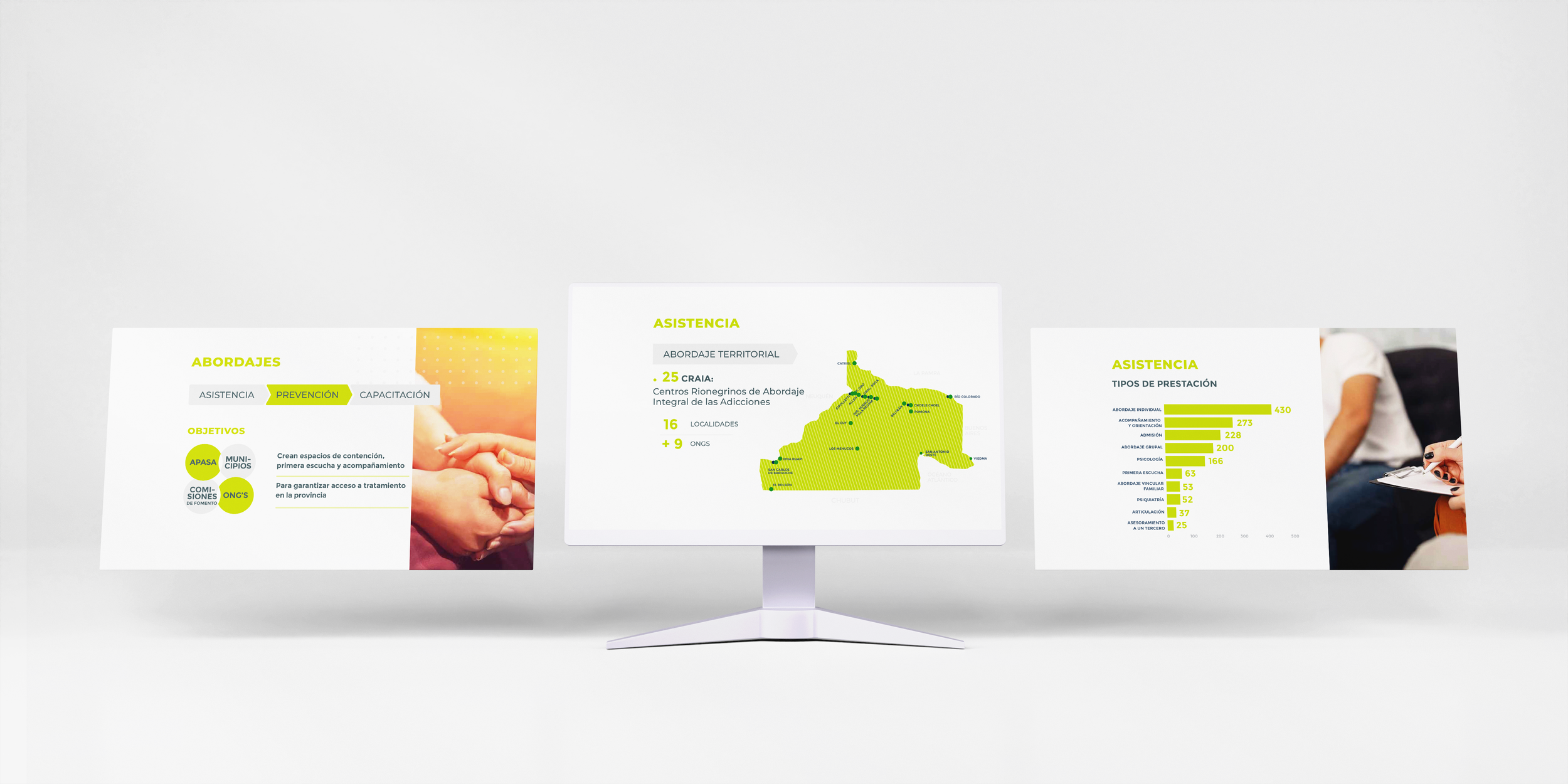
Development of Data Presentation Slides
As part of my role, I prepared presentation slides for government meetings, national conferences, and events. This involved collecting data from multiple departments, analyzing it, and converting it into clear, comprehensible graphics that conveyed statistics, activities, impacts, and the scope of the department’s work. These presentations enabled stakeholders and audiences to readily understand the agency’s progress and outcomes.
Health Communication & Support Systems

Official Fleet Vehicle Visual System
As part of the agency’s brand reinforcement strategy, I developed the visual system for official fleet vehicle wraps deployed across provincial centres and national events.
The objective was to extend the institutional identity into mobile public environments while maintaining consistency with governmental branding standards and strengthening visibility across physical touchpoints.

Development of Branded Merchandise and Clothing
As part of the agency’s communication strategy, I developed branded merchandise and clothing in alignment with governmental brand guidelines and licensing requirements.
These materials were designed for institutional use and public events, including seasonal campaigns and sports initiatives, ensuring visual consistency across physical environments while reinforcing the agency’s presence within the community.


Support for the Comahue Psychiatry and Addictions Congress
The agency organised an annual national event, the Comahue Psychiatry and Addictions Congress, bringing together professionals from psychiatry, addiction research, and public health.
I contributed to the communication and visual coordination of the event by developing signage systems, promotional materials, and presentation support assets. This required ensuring visual coherence, accessibility of information, and consistency across physical and digital communication touchpoints.


Structured Interaction Flow
User
→ Phone Call / QR Access
→ Volunteer / Trained Operator
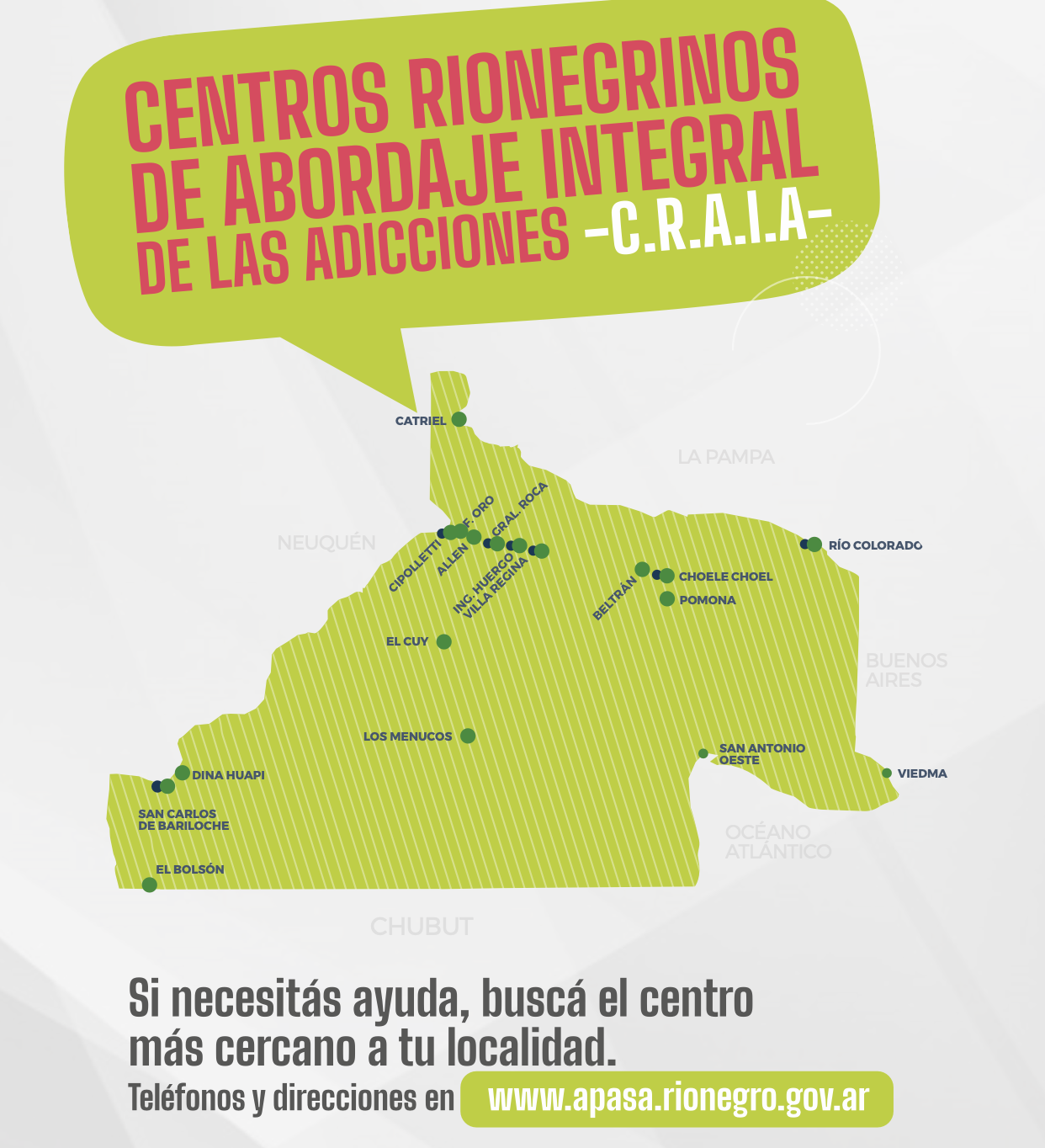
→ Referral to Regional Comprehensive Addiction Care Centre (CRAIA)
→ Clinical Assessment
→ Hospital Admission or Placement in Rehabilitation Centre
Role & Implementation
I structured communication flows and defined clear access points within the support system. I designed the visual materials enabling system entry (printed pieces and QR access) and supported the integration between physical materials, digital touchpoints and the institutional website. This work strengthened regional coordination and improved accessibility to the support infrastructure.
Conclusion
Working at the Agency for the Prevention of Drug Abuse deepened my understanding of how communication operates within complex and socially sensitive systems. Addressing substance use required research-based approaches, careful framing of information, and the adaptation of language to a topic often considered taboo.
Beyond visual production, I contributed to shaping communication strategies and coordinating the agency’s communication agenda, collaborating with developers, journalists, video editors, researchers, psychiatrists, social workers, and media partners. This involved participating in decisions regarding how public health information was framed and communicated across platforms.
This experience strengthened my perspective on design and communication as tools for awareness, responsibility, and informed public engagement within challenging social contexts.